
Killora Church and Graveyard, Craughwell
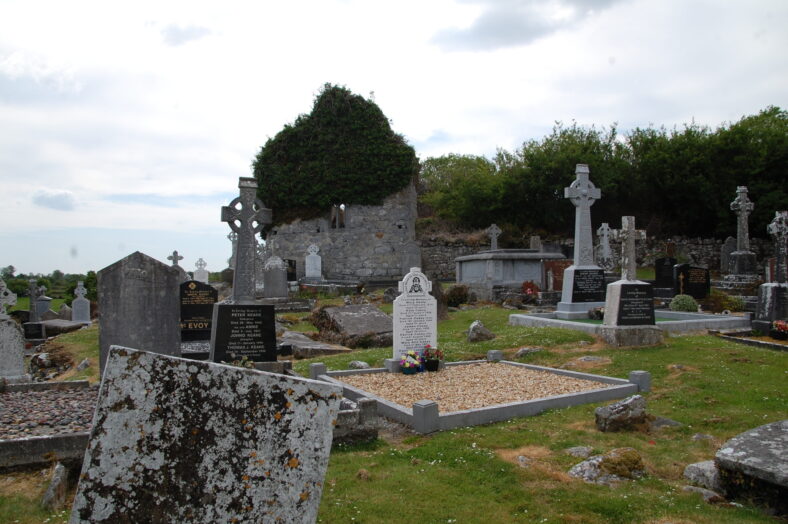
Killora, Loughrea Municipal District, Connacht, Ireland
Galway County Council were successful in their application for funding a Conservation Management Plan for Killora Church and graveyard, Craughwell. Funding was approved under the Community Monuments Fund 2021 by The National Monuments Service, Department of Housing, Local Government and Heritage.
Conservation Management Plan
The Conservation Management plan comprises input from a Conservation Architect, Ecologist, Archaeologist and Structural Engineer. The plan will inform Galway County Council and The National Monuments Service of the best heritage practice and proposals for a scope of works to conserve the Medieval Church.
Recorded Monument
Killora Church and Graveyard is a Recorded Monument GA104-151 , in the care of Galway County Council. Killora Church is a multi-period stone church, the earliest phase of which appears to date from the late 12th – early 13th century. The graveyard that surrounds the church contains five graveslabs that are designated Recorded Monuments (GA104-151005-009), dating to the 16th/17th century. There is a souterrain (GA104-151002-) c. 30m to the W and a house (GA104-151004-) is also associated.
Killora
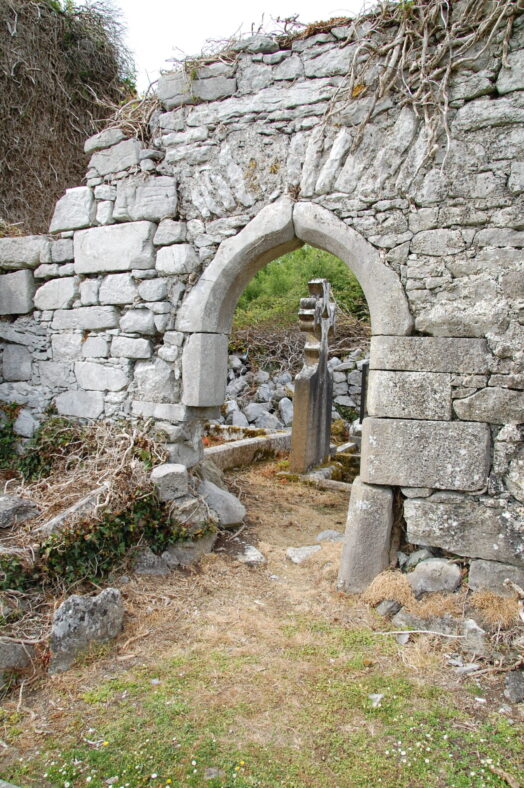
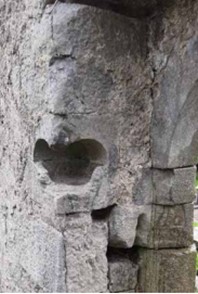
The townland name Killora takes its names from the Irish Cill Ortha meaning ‘Church of the Prayer’. Many fine features are evident throughout the site, including a water stoup just inside the door opening. A draw-bar hole is also evident. Window lights may be re-used alterations. The presence of large architectural building stones in the east end of the church indicate that a thirteenth century structure, or
possibly a pre-Norman structure, once stood here. The church appears to have been substantially
rebuilt and enlarged in the late medieval period, during the fifteenth or sixteenth century, the ruins of
which we now see today at Killora. The east gable was likely rebuilt at this time, using building stone
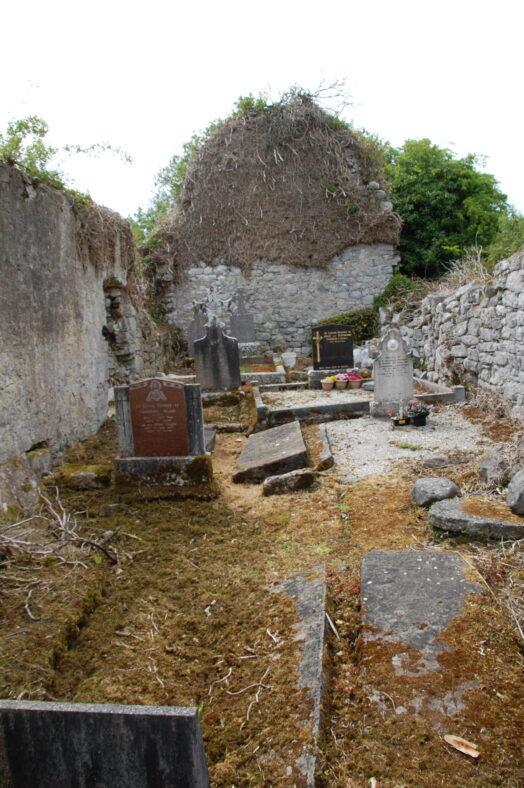
from the earlier church, and the structure extended west to provide a larger nave. The interior of the church contains graves dating from the late medieval period.
 Loading...

 Reload document
  Open in new tab


No Comments
Add a comment about this page